
We spend a third of our lives sleeping, so it’s only natural to want to find ways to enhance the experience. Have you ever had the pleasure of sleeping on a thick, comfortable mattress for a night or two? Thick mattresses often cost an arm and a leg, leaving you to wonder whether you can get the same effect by stacking two mattresses on top of each other.
You shouldn’t put two mattresses on top of each other. Mattresses are designed for single use, and putting one on top of another will only cause structural damage to the mattresses and potential injuries to anyone sleeping on them.
In this article, you’ll learn whether it’s okay to sleep on two mattresses and whether you can store them on top of each other.
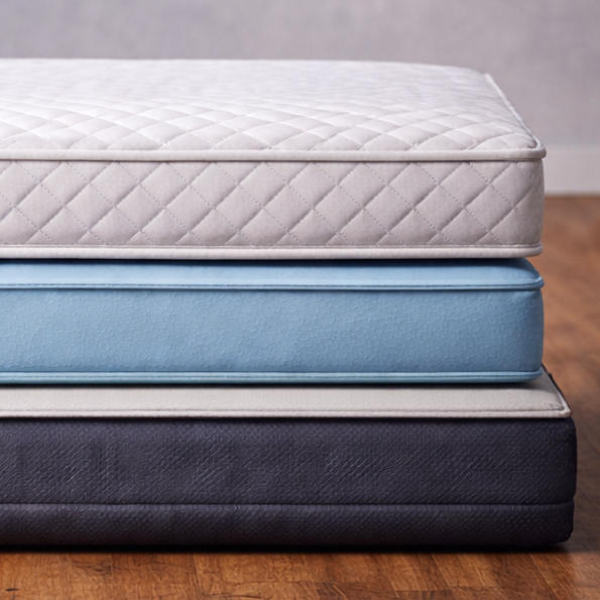
Is It Safe to Sleep on Stacked Mattresses?
No, it is not safe to sleep on stacked mattresses for several reasons shown below:
Wobbly and Unsecure
Stacking mattresses is dangerous simply because nothing is holding them securely in place. Because they’re not secured, the mattresses will move and wobble as you toss and turn in your sleep. One strong movement, and you’ll likely find yourself on the floor, injured and sore. You won’t have control over how you fall and where you land. So, that increases the risk of you injuring yourself badly.
A Hassle Every Morning
If you’re the type of person who struggles to make their bed each morning, imagine adding the hustle of pushing the mattresses back into place. Because the mattresses will slide and move with each movement made in your sleep, this means that every morning you’ll have to line the mattresses up with each other. This will take a few minutes every day. It may not seem like work the first couple of days, but it will get tiring quickly.
A Mattress Needs Proper Aeration
Think of how a single mattress can often smell musty after being slept on for months. The same happens when you stack two mattresses on top of each other, but now it’s twice as bad. There is no room for the mattresses to breathe.
Poor air circulation causes moisture and heat to be trapped. This creates the perfect breeding ground for mold and bedbugs. Also, memory foam mattresses are mainly designed to trap heat. Stacking two of them together can be uncomfortable to sleep on, especially during warmer months.
Another reason a mattress needs to breathe is to maintain its structural integrity. Most mattresses are designed to have air circulating inside the material, giving it volume and firmness. Take that away, and you’re left with a lumpy, uncomfortable mattress.
It May Trigger Allergies
As mentioned earlier, mattresses need proper air circulation. Stacking mattresses traps dust, mites, and mold, which can trigger allergies. The buildup of heat and moisture will only encourage the spread of these allergens.
Is Sleeping on Two Mattresses Bad for Your Back?
Yes, you can injure your back by sleeping on two mattresses. A mattress requires a solid foundation so the structure doesn’t break down or become distorted. A second mattress does not often provide a solid foundation for the top mattress. Eventually, the mattresses will sag and distort in some places.
The sagging will lead to unevenness, meaning your spine will not be properly aligned as you sleep. Research shows that a medium-firm mattress is ideal for providing quality sleep, comfort, and proper spine alignment. You cannot achieve this with sagging mattresses stacked on each other.
How an Uneven Mattress Can Cause Back Pain
Here are two ways through which an uneven mattress can cause back pain.
Sagging
Sagging happens when a mattress develops depressions 1-2 inches (2.5-5 cm) deep across a large part of the surface. For anyone sleeping alone, the middle of the bed is where the sagging will be most pronounced. For a couple sharing a bed, the sagging will feature on each side of the mattress.
Since two mattresses stacked together do not have a strong foundation, it’s easier for them to sag. Once the mattress starts sagging, it throws your spine out of alignment when you sleep, causing back pain and stiffness. The lower support core of one mattress is not in sync with the other making it hard for the mattresses to provide uniform firmness.
The situation may worsen if you weigh over 220 lbs (100 kgs) and sleep on a spring or poor-quality mattress. These mattresses degrade quicker due to the poor-quality materials combined with your heavy body weight. Stacking two mattresses on top of each other doesn’t help. It will only serve to further throw your back out of alignment. Instead of your weight being evenly distributed, your neck and lower back may carry the brunt, causing injury to both.
Body Impressions and Indentations
Body impressions result from your body placing repeated pressure on a mattress. This is normal and tends to happen to most mattresses with time. If you take the time to observe your mattress when you wake up, you’ll notice that there are impressions where your shoulders and hips were. This is because those two parts of your body carry the most weight.
Body impressions measuring an inch or so deep are good for your mattress, especially when new. High-quality mattresses will conform to the shape of your body, which helps reduce pressure points as you sleep.
Body impressions and indentations become a problem if the depressions are too deep, breaking your posture and throwing your back out of alignment. Mattresses manufactured with low-density memory foam are notorious for developing indentations quickly.
Can You Store Mattresses on Top of Each Other?
Yes, you can store mattresses on top of each other. In fact, it is recommended that you do so. This works provided that you do not store anything else on top of the mattresses. Store mattresses on top of each other if you’re:
- Going away on a long vacation
- Putting furniture away in storage
- Moving houses
Mattress Storage Dos and Don’ts
Here are tips on how to properly store your mattresses to preserve their structural integrity
Dos
- Clean and air out the mattresses before storage. You do not want to trap in dirt, dust, mold, or bed bugs. Give your mattresses time to dry thoroughly before storing them.
- Wrap and secure the mattress using mattress covers. This ensures they will remain free from dust and dirt wherever you store them. Mattress covers are also breathable, allowing air to circulate inside the mattresses even during storage.
- Lay the mattresses flat during storage. Allow the mattresses to mimic their natural position when you store them flat. You can also stack the two mattresses on top of each other.
Don’ts
- Don’t use plastic to wrap your mattresses. Plastic is less breathable and increases the chances of you trapping in moisture and bugs.
- Don’t store mattresses on the side, even though this may take up less space than laying them flat. Over time, the springs inside the mattresses will fail, causing them to sink and lose their form, thus permanently damaging them.
- Don’t place other items on top of the mattresses during storage. Over time, the weight caused by these items will damage the coils and springs inside the mattresses.
In Conclusion
If you find yourself entertaining the idea of stacking two mattresses together for added thickness, that may be a sign to get a new mattress. Instead of risking injury, lower back pain, poor air circulation, bedbugs, and more, save up for a high-quality, thick, medium-firm mattress that will give your back all the support it needs.


